East Church Street demolition work in East Hardwick is now scheduled to begin Sunday, September 13.
Abatement work at 52 East Church Street will be wrapping up this week, with demolition of 40 and 52 East Church Street buyout properties expected to begin next Sunday.
At least one lane of traffic on this section of East Church Street is expected to be closed on Monday (9/14 to 9/16). Please avoid East Church Street in this area and use Stevens Lane whenever possible. Local access will be maintained as conditions allow, but drivers should expect delays and limited passage through the work zone.
The demolition work is expected to take approximately three days.
Thank you for your patience and cooperation. Please let me know if you have any questions or concerns.
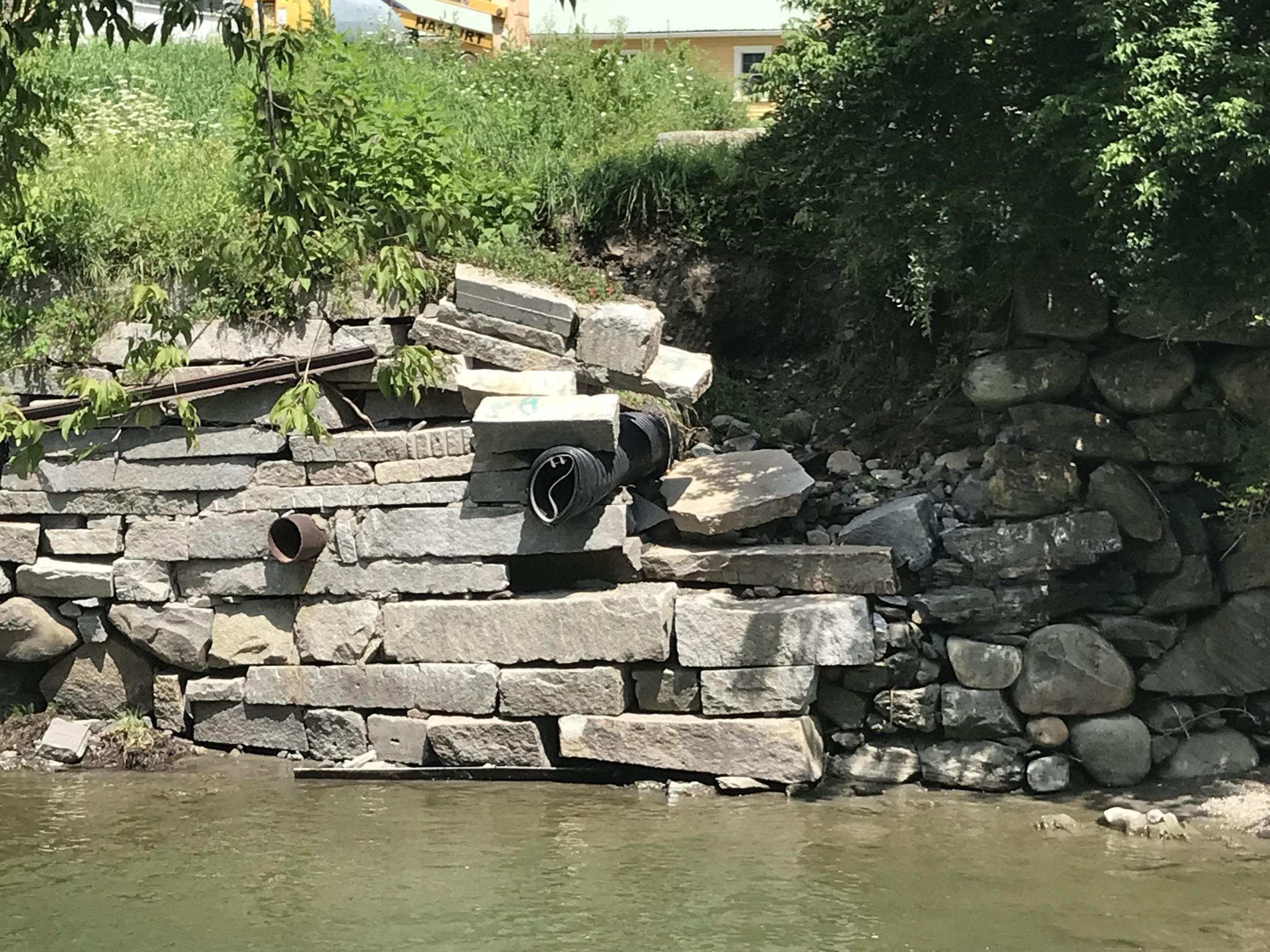
The Town of Hardwick is seeking bids from qualified contractors to repair flood damage to the North Main Street Stormwater System at 64 North Main Street. The system was constructed in 2022 and damaged by riverine flooding in July 2024. The project is funded in part through the FEMA Public Assistance Program.
The work includes replacement of an 18-inch HDPE flow-check valve, approximately 59 cubic yards of common fill, approximately 24 cubic yards of dry-laid-up cut stone, and associated excavation, erosion control, stabilization, and site restoration. This is a repair-in-kind project; the existing system and retaining wall may not be expanded, relocated, or redesigned.
Pre-Bid Site Visit: Friday, September 11, 2026 at 8:00 a.m., on site Bids Due: Tuesday, September 15, 2026 at 3:30 p.m. Anticipated Award: Thursday, September 17, 2026 at the Select Board meeting
Wednesday, September 9 6:00–7:30 p.m. Parker Ladd Community Room Jeudevine Memorial Library
What happens when a hillside becomes part of the river?
Join Vermont Geological Survey geologists Emma Myrick and Ben DeJong for a conversation about landslides, slope instability, and what the geology beneath our feet can tell us about the landscape around us.
Landslides are part of the landscape of the Northeast Kingdom. The discussion will look at why some slopes are more susceptible to movement, what geologists look for when investigating a landslide, and what happens when material from our hillsides enters streams and rivers.
Emma and Ben will draw on examples from the Lamoille River watershed, including the history of slope movement in the Glenside Avenue area, where new concerns have recently emerged.
Landslides aren’t just about what happens on a hillside. They are also part of the story of sediment; where it comes from, how it moves, and how our rivers and landscape change over time.
This is the first evening of Ripple Effects 2026: Understanding Our Watershed, a three-part public series hosted by the Town of Hardwick, Jeudevine Memorial Library, Caledonia County Natural Resources Conservation District, and Hardwick Community Television.
There will be plenty of time for questions and discussion.
Free and open to everyone. Light refreshments will be served.
To learn more, contact Kristen Leahy, Hardwick Resilience & Adaptation Coordinator, at zoning.administrator@hardwickvt.gov or 802-472-1686, or Karina Morales, Caledonia County Natural Resources Conservation District, at Karina@caledoniacountynrcd.org or 802-239-4159.
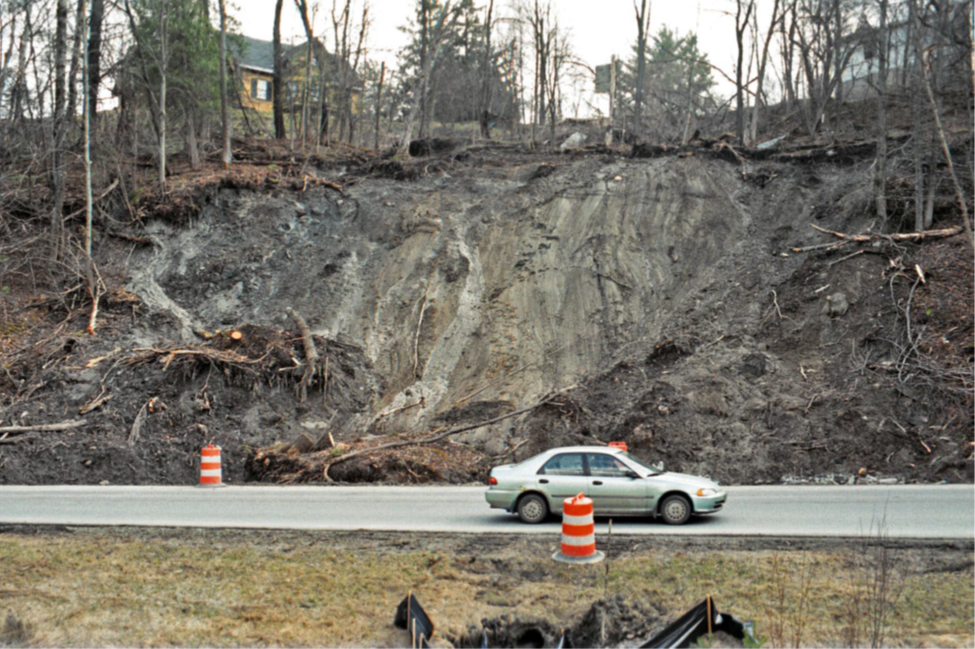
Glenside landslide site on April 22, 2004, 3 days after a major slope failure occurred. Road has been cleared of landslide deposit. Photo by George Springston.
Join local and state experts for a community conversation about invasive plants in our area. Learn what makes a plant invasive, how invasive species are managed, and which species to watch for in our region. Wednesday, July 8 from 5:00 p.m. to 6:30 p.m. at the Greensboro United Church of Christ Fellowship Hall in Greensboro. Presented by the Greensboro Conservation Commission.