Wednesday, September 30, 2026 5:00–6:30 p.m. Atkins Field Pavilion
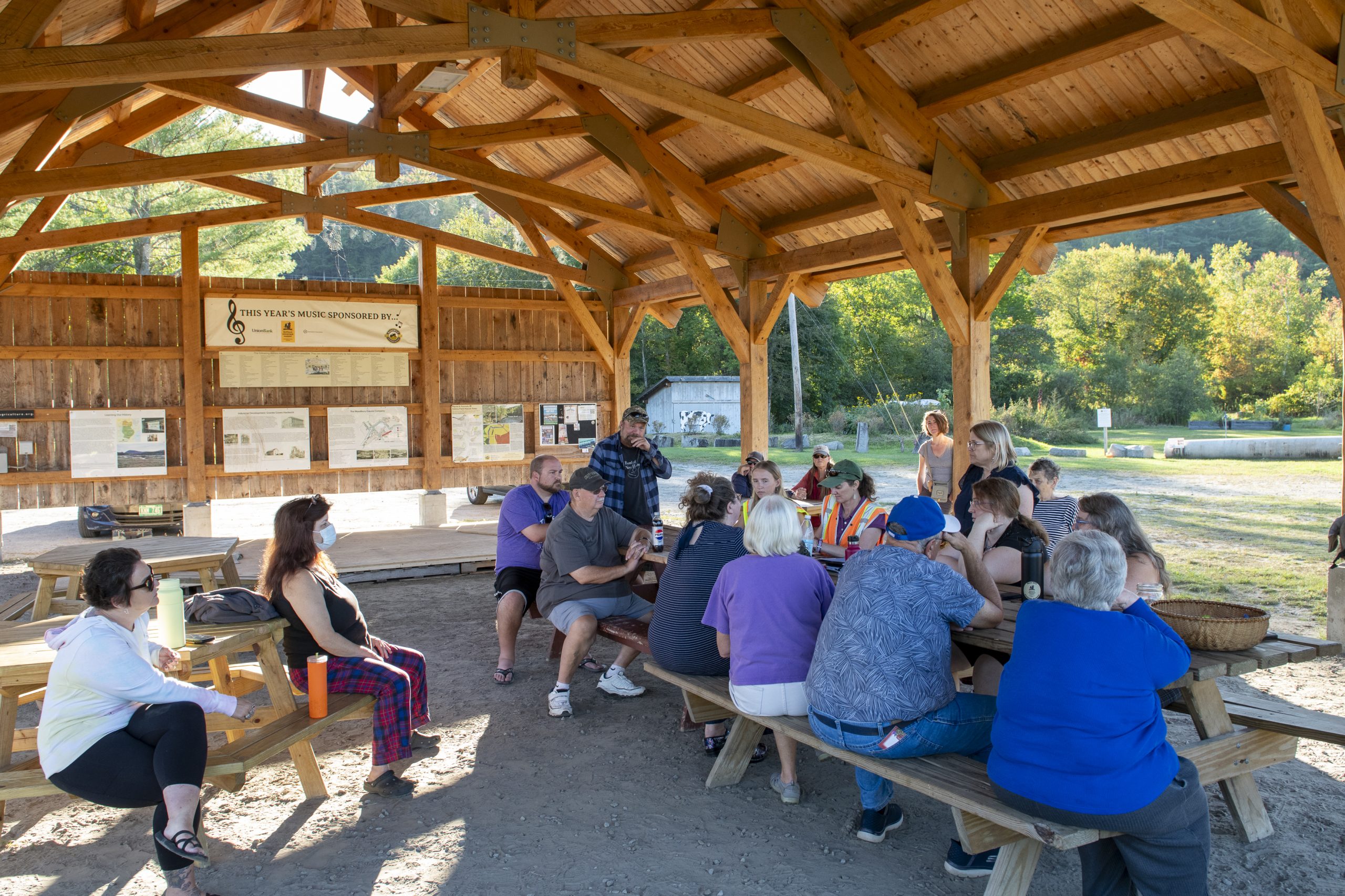
After a year of neighborhood conversations, property visits, and engineering work, the Granite Street Historic District Neighborhood Resilience plan is nearly finished.
Please join us for soup and bread as we share the final draft of the Granite Street Historic District Neighborhood Resilience Plan. The neighborhood planning committee developed the plan with engineering support from SLR.
Come review the recommended projects and tell us whether the plan accurately reflects the neighborhood’s needs and what may still be missing.
The completed plan will preserve what we have learned about the neighborhood, support future funding requests, and guide the work ahead.
A few complete paper copies and additional copies of the implementation matrix will be available at the meeting. Written comments will be accepted through October 9, 2026.
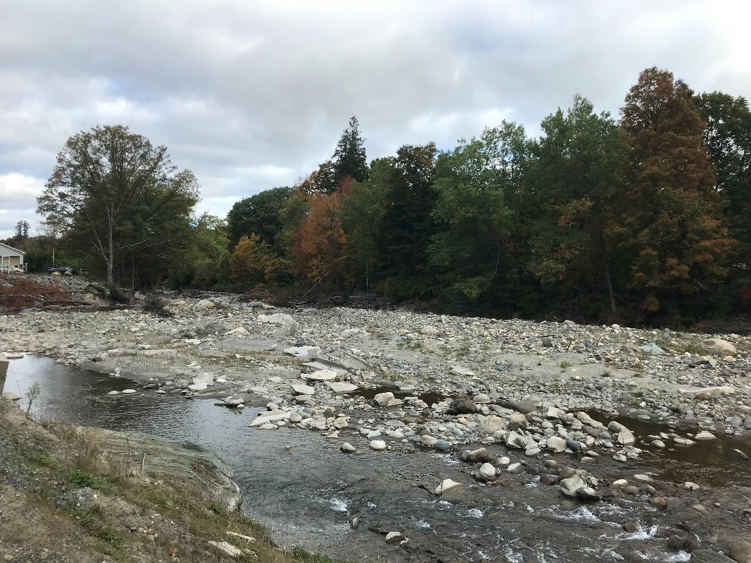
After a flood, the river looks different. New gravel bars appear. Banks erode. Sediment piles up in places it wasn’t before.
Where did it come from? Where does it go next? And what happens if we remove it?
Join us for the final evening of Ripple Effects 2026: Understanding Our Watershed:
Where the River Carries It: Sediment, Gravel, and the Dredging Question
River scientist Staci Pomeroy and river engineer Evan Fitzgerald will explore how sediment moves through a watershed, why rivers erode in some places and deposit material in others, and how those processes shape the river over time.
And we’ll talk about dredging.
Bring your questions – there will be plenty of time for conversation and discussion.
Wednesday, September 23 6:00–7:30 p.m. Parker Ladd Community Room Jeudevine Memorial Library, Hardwick
Free and open to everyone. Light refreshments will be served.
Hosted by the Town of Hardwick, Jeudevine Memorial Library, Caledonia County Natural Resources Conservation District, and Hardwick Community Television.
Wednesday, September 16 | 6:00–7:30 p.m. Parker Ladd Community Room, Jeudevine Memorial Library
What makes wetlands and floodplains such important parts of a watershed?
Wetlands and floodplains are places where water and land come together. They hold and slow water, provide habitat for plants and wildlife, influence water quality, and connect our uplands, streams, and rivers.
Join wetland scientist Lauren Sopher, Vermont State Floodplain Manager Alexis Nevins, and river scientist Sacha Pealer for an evening exploring how wetlands and floodplains function and the role they play in the larger watershed.
We’ll look at how water moves into, through, and across these landscapes; how wetlands and floodplains connect to streams and rivers; and what happens when rivers have room to spread out. We’ll also explore what makes healthy wetlands and floodplains valuable, the pressures that can change how they function, and ways we can protect and restore them.
This is a chance to look at familiar parts of our landscape a little differently and understand the work they are doing as part of a connected system.
Bring your questions. There will be plenty of time for conversation and discussion.
This is the second evening of Ripple Effects 2026: Understanding Our Watershed, a three-part public series exploring how water moves through our landscape and how the different parts of a watershed are connected.
The presentation is free and open to everyone. Light refreshments will be served.
Ripple Effects 2026 is hosted by the Town of Hardwick, Jeudevine Memorial Library, Caledonia County Natural Resources Conservation District, and Hardwick Community Television.
For more information, contact Kristen Leahy, Hardwick Resilience & Adaptation Coordinator, at zoning.administrator@hardwickvt.gov or 802-472-1686, or Karina Morales, Caledonia County Natural Resources Conservation District, at Karina@caledoniacountynrcd.org or 802-239-4159.
East Church Street demolition work in East Hardwick is now scheduled to begin Sunday, September 13.
Abatement work at 52 East Church Street will be wrapping up this week, with demolition of 40 and 52 East Church Street buyout properties expected to begin next Sunday.
At least one lane of traffic on this section of East Church Street is expected to be closed on Monday (9/14 to 9/16). Please avoid East Church Street in this area and use Stevens Lane whenever possible. Local access will be maintained as conditions allow, but drivers should expect delays and limited passage through the work zone.
The demolition work is expected to take approximately three days.
Thank you for your patience and cooperation. Please let me know if you have any questions or concerns.